Riverside Religious Discrimination Attorneys
Expert Assistance with Religious Discrimination


Expert Assistance with Religious Discrimination
If your employer has denied a holiday request, mocked your hijab, or passed you over for a promotion because of your faith, they’re guilty of religious discrimination. These sorts of actions come with a price under California and federal law.
Before representing workers, our founding partner, Omar Ochoa, represented insurance companies and Fortune 500 employers. Because of his experience, we know exactly how these parties build defenses against discrimination claims.
We now put that knowledge to work for our clients. Together, our partners have recovered more than $200 million for clients across Southern California.

20 years+
of experience
$200+ million
recovered for clients
California and federal law both prohibit an employer from treating you differently because of your religion, religious practices, lack of religious belief, or association with someone of a particular faith.
The California Fair Employment and Housing Act (FEHA), California's Workplace Religious Freedom Act of 2012, and Title VII of the federal Civil Rights Act all require employers to accommodate their employees’ faith unless doing so creates a genuine hardship for the business. “Genuine hardship” has a narrow legal meaning.
A reasonable accommodation can look like a modified schedule around a Sabbath or holy day, a short prayer break during a shift, or an exception to a dress code for religious attire or grooming. While your employer doesn’t have to grant the exact accommodation you ask for, it does have to offer one that works.

Religious discrimination doesn't always mean getting fired for adhering to a certain faith. It can show up in denied requests, mockery, and passed-over promotions, and more than one of these scenarios can apply to your situation at once. Here are some of the forms of discrimination we see most often.
Your employer refuses to give you time off for a religious holiday, a prayer break, or a schedule change tied to your faith without a legitimate business reason.
You’re fired, laid off, or pushed out under a cover story like "restructuring" after your employer learns about your religion.
Coworkers or supervisors mock your beliefs, your religious dress, or your grooming practices, and management does nothing to stop it.
You get passed over for a job or a promotion once an interviewer or manager finds out about your beliefs.
Your hours get cut, you get demoted, or you get written up right after you ask for an accommodation or report discrimination.
Every day you wait to take legal action after facing religious discrimination is a chance for your employer to control the narrative. Get a free case review and start protecting your rights today.
Religious discrimination claims follow a strict timeline, and missing a filing deadline could mean having your case turned away, no matter how strong it may be. The following key deadlines might apply in your case:
It’s important to note that these windows can change if the discrimination is ongoing or you weren’t immediately aware of what your employer was doing. A qualified attorney can tell you exactly where your case stands.

Both state and federal law allow you to recover damages across several categories if you can prove that your employer discriminated against you because of your religion. You may be entitled to receive:
What you actually stand to recover depends on the facts of your case, and no honest attorney will give you a concrete number before assessing what happened to you.
What you do in the days after a discrimination incident can decide the trajectory of your case. Here’s how to protect yourself and your claim:
None of these steps is difficult, and together, they could mean the difference between a winning case and a weak one.

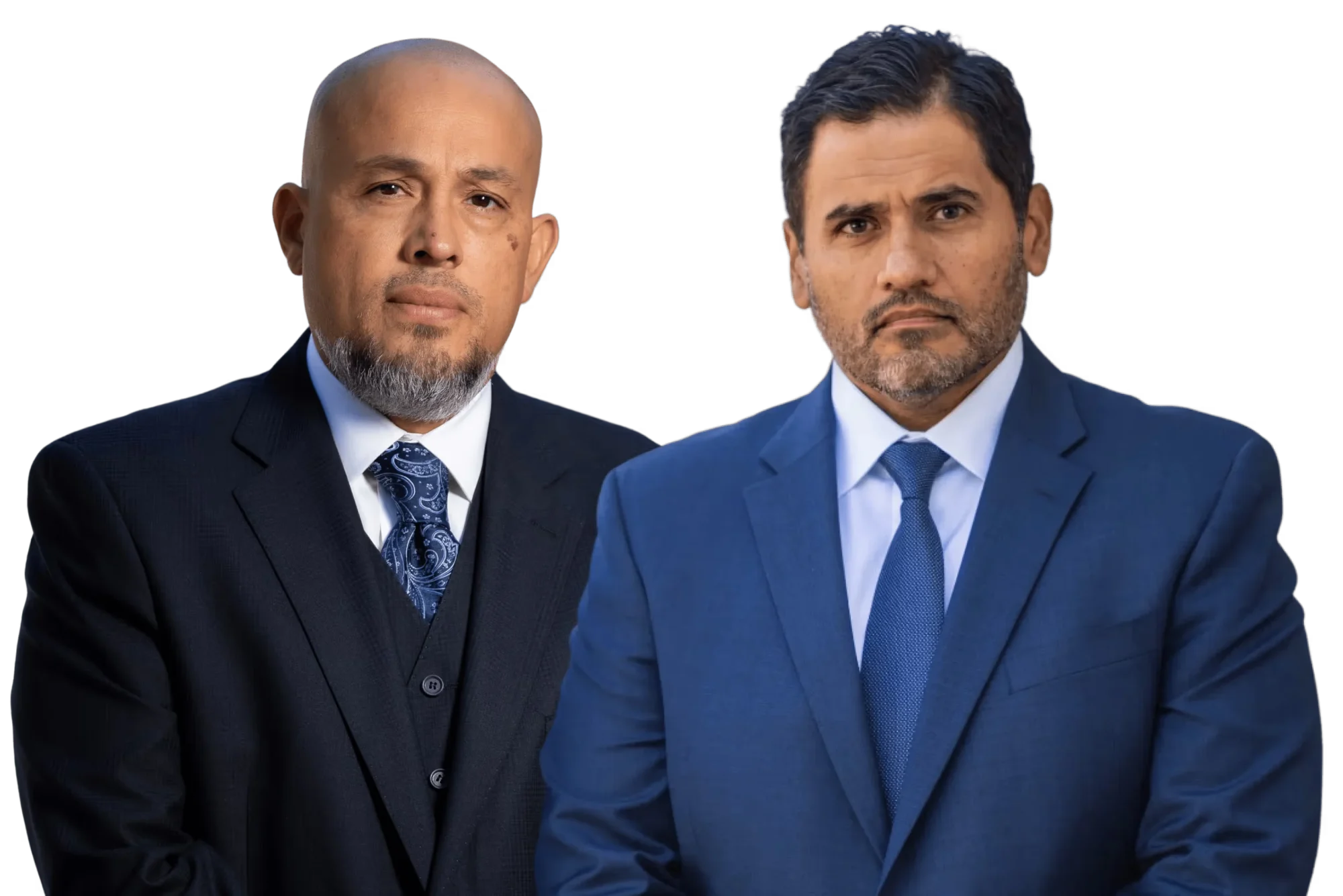
Co-Founder & Partner
Co-founder bringing elite education from Pacific Union College and Chapman Law to every case.
More About Omar Ochoa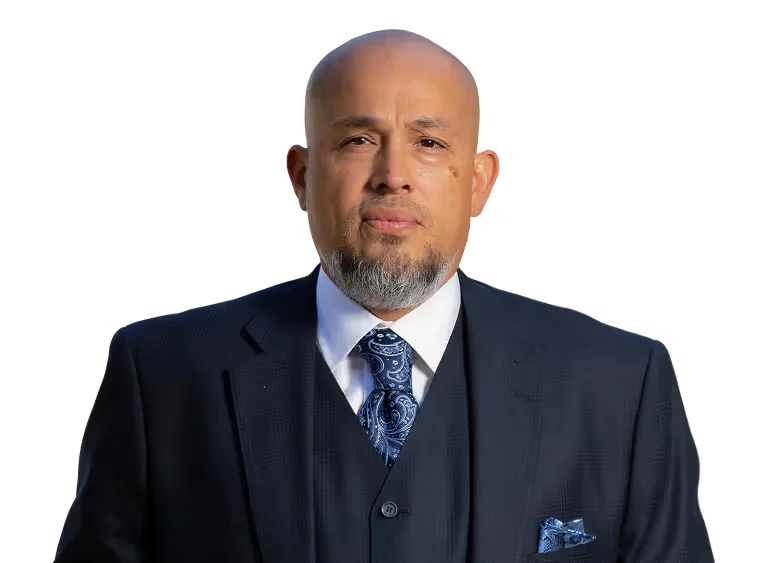
Co-Founder & Partner
USC Law graduate with 20+ years of experience making insurance companies pay what they owe.
More About William CalderónWhen you hire Ochoa & Calderón to handle your religious discrimination case, you’ll benefit from the following advantages that our firm offers.

As a former counsel for Fortune 500 companies and insurance providers, attorney Omar Ochoa has seen firsthand the defense strategies that employers use in these cases. We’ll use this insider perspective to investigate your claim and build a compelling case.

Collectively, our founding partners have recovered more than $200 million for clients across Southern California. We negotiate aggressively, and we’ll never accept a lowball offer on your behalf.

You’ll pay us nothing unless we win for you. We’ll cover the costs of building your case from the first day, so there’s no financial risk in coming to us.
Riverside's diverse industrial sectors each show unique patterns of religious discrimination, from denied prayer breaks at warehouses to holiday scheduling conflicts at hospitals. We've watched these situations play out time and time again across Riverside County, and we build every case around the facts rather than a generic playbook.
We proudly serve workers in the following areas:

No one should have to choose between a paycheck and their deepest-held beliefs. Contact Ochoa & Calderón today for a free, confidential consultation.
The signs aren’t always obvious. Watch for anything that changed right after your employer learned about your faith, such as a schedule that suddenly conflicts with your practices, requests handled differently than a coworker's, or a stated reason for a decision that doesn't match what happened.
Yes. FEHA and Title VII both protect employees who hold no religious beliefs the same way they protect employees who do. If you’ve been subjected to unfair treatment for not participating in a particular religious practice, you may have a valid claim.
FEHA's reach goes further than most people expect. It covers traditional organized religions, minority and nontraditional faiths, and sincerely held moral or ethical beliefs, and it applies to most California employers with five or more employees.
Ask for the denial in writing and keep it alongside a copy of your original request. If your employer can't point to a specific cost or disruption related to what you asked for, the denial may constitute discrimination, and your attorney can use it to create the foundation of your case.
It depends on the circumstances, whether the employer is willing to negotiate, and whether the case ultimately goes to court. Some cases resolve in a matter of months through the CRD or EEOC complaint process, while others may take longer if litigation becomes necessary. Your attorney should be able to give you a realistic timeline once they've reviewed your situation.